


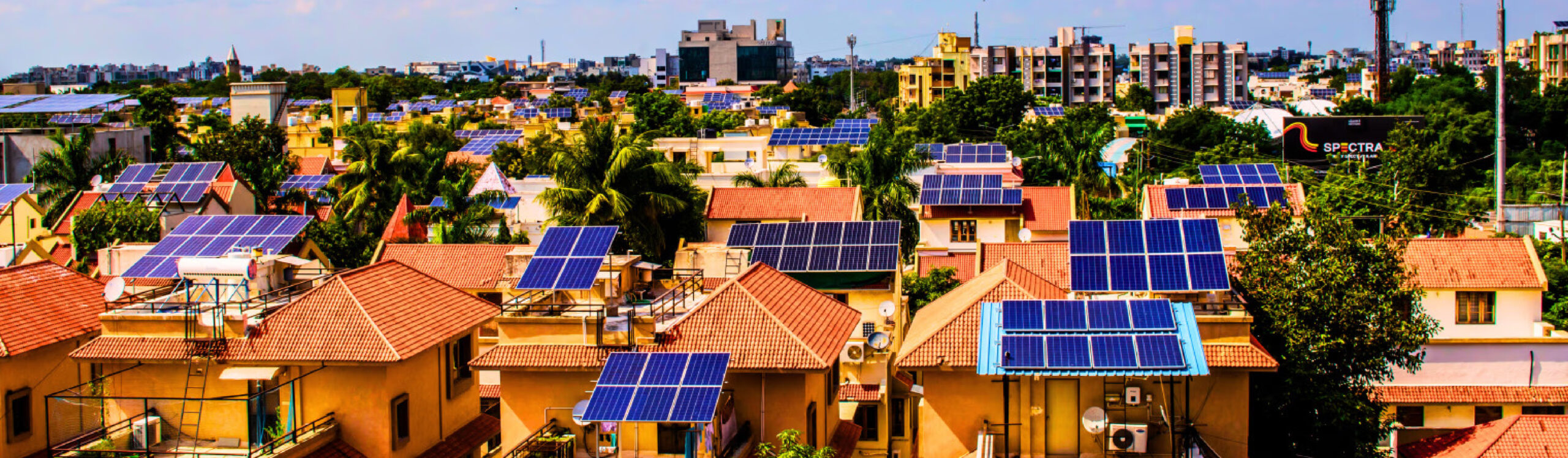
Karnataka is strengthening its renewable energy infrastructure with plans for a 1,000 MW ground-mounted solar power project integrated with a 2,000 MWh battery energy storage system (BESS). The development was reported by Moneycontrol on October 21, 2026, as the state looks to address rising electricity demand from sectors such as artificial intelligence (AI) and data centres. Alongside this utility-scale project, the state is advancing decentralised solar adoption in 23 villages under the Centre’s PM Surya Ghar: Muft Bijli Yojana.
Karnataka Power Corporation Limited (KPCL) has invited bids for the development, operation and maintenance of the proposed solar-plus-storage facility. The project will comprise 1,000 MW of alternating current (AC) solar photovoltaic capacity and a battery system designed to store 2,000 MWh of electricity, equivalent to two hours of storage at a 1,000 MW discharge rate. The selected developer will be responsible for identifying and acquiring or leasing land within Karnataka, installing the facilities, and managing their operation and maintenance. The solar module specifications, expected annual electricity generation and project site have not been disclosed in the cited report.
Separately, Karnataka Renewable Energy Development Limited (KREDL) is seeking a consultant to prepare detailed project reports (DPRs), bills of quantities, technical specifications and funding documents for 23 model solar villages across the Belagavi, Kalaburagi and Bengaluru revenue divisions. The assessments will examine village-level electricity demand and opportunities for community solar plants, rooftop solar installations on public buildings, solar street lighting and solar pumps for eligible community groups. Where round-the-clock renewable supply is not feasible, the studies will explore options for achieving net-zero electricity consumption over a year.
The initiatives come amid concerns about electricity supply and water availability following deficient southwest monsoon rainfall, declining reservoir levels and falling groundwater levels. Under the Model Solar Village component of PM Surya Ghar, each selected village is eligible for central financial assistance of ₹1 crore. Together, Karnataka’s utility-scale solar-plus-storage plans and village-level solar assessments highlight a dual approach to expanding renewable generation, improving energy flexibility and encouraging local energy self-reliance. The project details were reported by Moneycontrol, citing officials familiar with the initiatives.

Add Happiness to Every StepPanelInverterDream
Search For Solar PanelsInvertersAccessoriesNewsAnything !
We have everything you require to make your solar project more efficient, reliable and profitable. So go ahead search for anything solar.

Leave A Comment