

The year 2020 was one of the most difficult periods for the global economy. While most industries struggled due to COVID-19, the renewable energy sector showed remarkable resilience. One segment that stood out was open-access solar, which experienced nearly 56% growth, providing a strong boost to India’s clean energy transition.
By December 2020, India’s open access solar market had reached close to 4 GW of installed capacity, with an additional 1 GW of projects in the development pipeline. According to Mercom India, states such as Karnataka, Gujarat, Maharashtra, Tamil Nadu, Uttar Pradesh, Haryana, and Telangana have emerged as leading markets. Despite policy and operational challenges, open-access solar continues to grow rapidly as industries seek reliable and affordable power.
In this blog, we’ll explain what open access solar is, how it works, its types, benefits, challenges, and the best technology choices for such projects.
- What Is Open-Access Solar
- Types Of Open-Access Solar
What Is Open Access Solar?
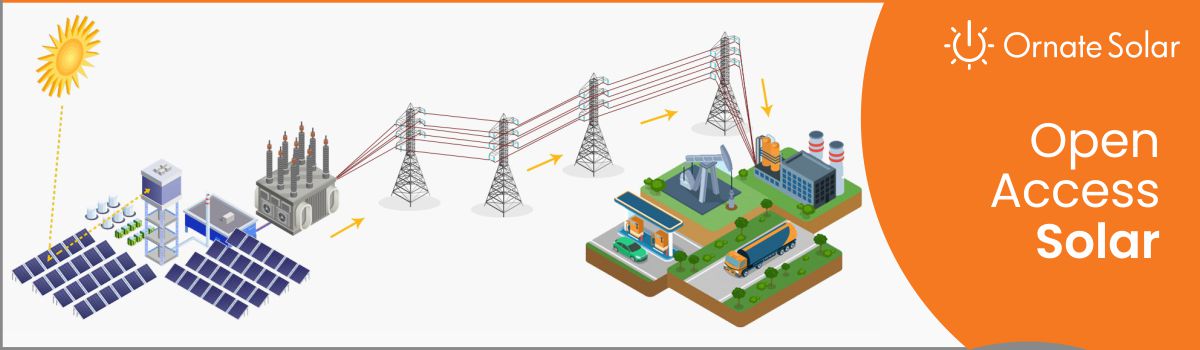
Open access solar allows these consumers to buy electricity directly from a solar power producer instead of purchasing all their power from the local DISCOM. Under the conventional DISCOM model, electricity tariffs are fixed by the utility. With open access, consumers get the freedom to choose their power supplier and negotiate tariffs through a Power Purchase Agreement (PPA).
This makes open-access solar attractive for industries aiming to reduce electricity costs while shifting to clean energy.
In an open access arrangement, a solar developer sets up a solar power plant, either within the same state or in another state. The developer and the consumer sign a PPA for a fixed duration, which can range from short-term contracts to long-term agreements of up to 25 years.
The electricity generated is transmitted through the existing grid infrastructure. While consumers must pay applicable charges such as wheeling, transmission, and other regulatory fees, the overall cost of solar power through open access is usually much lower than conventional grid power.
One of the biggest reasons industries are moving toward open access solar is cost savings. Depending on the state and tariff structure, businesses can save anywhere between 20% to 40% on electricity bills.
Another key advantage is price stability. Long-term PPAs protect consumers from rising grid tariffs. Open access solar also helps companies meet their renewable energy and ESG commitments, which are becoming increasingly important for investors and global clients.
For developers, open access provides direct access to high-consumption customers and ensures predictable revenue.
Challenges in Open Access Solar
Despite its advantages, open access solar comes with certain challenges. Regulatory policies vary from state to state and may change over time, which can impact project economics. Approval processes can be complex and time-consuming, involving multiple authorities.
Since power is sourced from different generators, grid synchronization and stability also need careful management. However, with better forecasting, modern inverters, and improved grid infrastructure, these challenges are gradually being addressed.
Types Of Open Access Solar:
Open access solar in India is broadly classified into two types.
Inter-state open access involves power transactions across state boundaries and is governed by the Central Electricity Regulatory Commission (CERC). These projects are typically larger in scale and can be contracted for short-term or long-term durations.
Intra-state open access operates within a single state and is regulated by the respective State Electricity Regulatory Commission (SERC). While the basic framework remains the same, charges and rules vary depending on state policies
Best Inverter for Open-Access Solar Projects
In open access solar projects, inverter selection plays a critical role in performance, reliability, and long-term returns.
Hopewind is a globally recognized renewable energy technology company with operations in over 60 countries. Its inverters are widely used in utility-scale and open-access solar plants.
The Hopewind inverter is particularly suitable for Indian open access projects. It is designed to operate reliably in high ambient temperatures, even above 50°C. Its high power density allows developers to use fewer inverters, reducing overall system and maintenance costs. Advanced protection features and grid-friendly design make it a strong choice for large-scale installations.
How Can We Help?
Hope this information about Open Access Solar helps you.
If you are planning to install a solar solution, you can connect with Ornate Solar to get the best prices for solar panels and inverters. We are the official partner of Canadian Solar panels & Renewsys solar panels in India. We are also the official distributor of SolarEdge inverters with DC optimizers, Enphase microinverters, Fronius On-Grid Inverters, Hopewind highest capacity inverter, and Havells solar inverters in India.
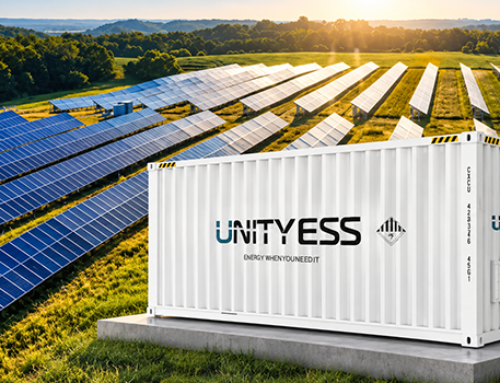
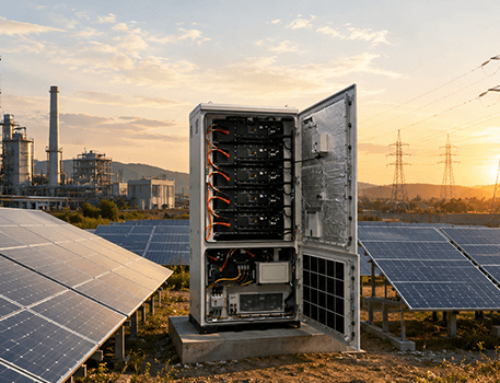
Ornate Solar is also a trusted BESS manufacturer company in India. We have developed UnityESS, an advanced energy storage solution to provide reliable power and energy independence.
For more information, please give us a call at 1800 2026 252.




Very Informative blog about open access solar. Could you explain more about the calculation of different open access charges for long-term open access, It would be helpful for beginners in the power sector.
1. Could you clarify how losses are handled when a consumer opts for Open Access? e.g. if a consumer wants 100 units at his end then how it can be ensured that the he gets the 100 Units.
2. How scheduling and energy accounting is done in Open Access?
Very Informative blog about open access solar. Could you explain more about the calculation of different open access charges for long-term open access, It would be helpful for beginners in the power sector.