

India’s solar industry is entering a phase where scale is becoming as important as efficiency.
Over the last decade, developers primarily focused on lowering module costs and improving generation performance. Today, the conversation has shifted. As utility-scale projects continue to grow in size and complexity, project developers are increasingly looking for technologies that can reduce installation costs, simplify plant architecture, and improve long-term project economics.
This shift has sparked growing interest in high-capacity string inverters.
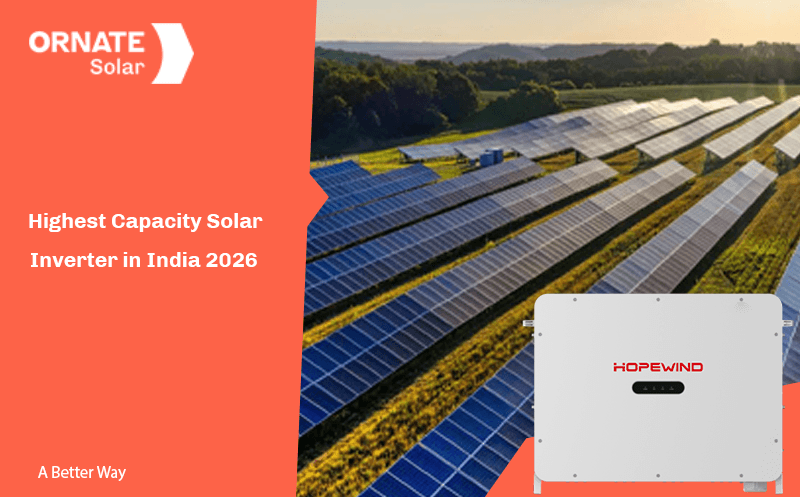
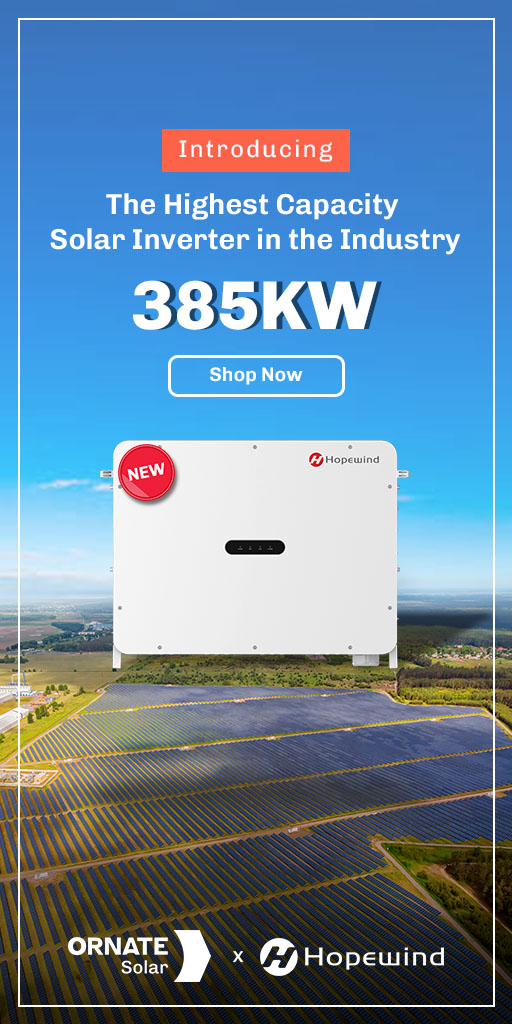
In 2026, some of India’s largest solar projects are being designed around next-generation inverter platforms that deliver significantly higher power output than conventional string inverters. Among them, Hopewind 385kW inverter stands out as one of the highest-capacity string inverter solutions available for utility-scale solar applications.
But why does inverter capacity matter so much, and what impact can it have on project performance?
What is the highest-capacity solar inverter in India in 2026?
Hopewind 385kW highest capacity string inverter is among the highest-capacity solar inverters available in India in 2026. Designed for utility-scale, solar parks, & PM-KUSUM projects, it helps reduce balance-of-system costs, improve plant efficiency, and support modern high-power solar modules.
The Growing Demand for High-Capacity Solar Inverters
India’s renewable energy ambitions continue to push project sizes upward.
Whether it is utility-scale solar parks, state tender projects, open-access installations, or PM-KUSUM deployments, developers are under pressure to maximize returns while controlling capital expenditure.
Traditionally, achieving higher system capacities required deploying a larger number of inverters across a project site. While effective, this approach often increased installation complexity, cabling requirements, commissioning timelines, and maintenance costs.
The emergence of high-capacity string inverters is changing that equation.
By increasing the amount of power handled by each inverter, developers can simplify system design while maintaining the flexibility advantages associated with string inverter architectures. Fewer inverter units often translate into fewer foundations, fewer AC connections, reduced installation labor, and improved operational efficiency throughout the project’s lifecycle.
This is one of the primary reasons why high-power string inverters are rapidly becoming the preferred choice for modern utility-scale solar plants.
The Highest Capacity Solar Inverter Available in India in 2026
As inverter technology continues to evolve, manufacturers are pushing the boundaries of power density and conversion efficiency.
Hopewind 385kW inverter represents one of the highest-capacity string inverter platforms currently available for large-scale solar projects in India. Designed for 1500V systems and compatible with modern high-power PV modules, the inverter addresses many of the challenges faced by developers building large utility-scale installations.
The significance of this capacity extends beyond a specification sheet.
A higher-capacity inverter enables project developers to optimize plant layouts, reduce equipment quantities, and improve the overall economics of solar generation. In large projects, even small reductions in balance-of-system costs can have a meaningful impact on project profitability.
Why High-Power String Inverters Are Becoming the Industry Standard
The debate between central inverters and string inverters has existed for years.
However, advancements in string inverter technology have significantly narrowed the gap while introducing several operational advantages.
Modern high-capacity string inverters offer improved fault isolation, greater design flexibility, enhanced monitoring capabilities, and simplified maintenance. Instead of relying on a limited number of centralized power conversion units, developers can distribute conversion capacity across multiple intelligent inverter platforms.
This approach often improves plant availability and reduces the risk associated with single-point failures.
As project developers prioritize reliability and operational performance, the industry is witnessing a steady migration toward high-capacity string inverter architectures.
How Hopewind 385kW Inverter Supports Utility-Scale Solar Development
The solar market is increasingly demanding equipment that can support larger modules, higher DC currents, and more complex grid environments.
Hopewind 385kW inverter has been engineered specifically for these evolving requirements.
Its design supports modern high-current modules commonly deployed in utility-scale projects. At the same time, advanced grid-support capabilities help ensure stable operation under varying grid conditions, an increasingly important consideration as renewable energy penetration rises across India’s power network.
For developers, the result is a technology platform capable of supporting higher generation performance while contributing to lower levelized cost of electricity (LCOE).
More importantly, it aligns with the industry’s broader objective of delivering more energy from every megawatt installed.
What This Means for PM-KUSUM and Large Utility Projects
Government-backed renewable energy initiatives such as PM-KUSUM Yojana are accelerating the deployment of large-scale solar infrastructure across the country.
As project sizes increase, EPC companies are placing greater emphasis on technologies that improve project efficiency and simplify execution.
High-capacity inverter platforms are particularly attractive in these deployments because they help optimize plant design while supporting long-term operational reliability.
For EPC companies, fewer inverter installations can mean reduced construction complexity. For project owners, advanced monitoring and diagnostics can contribute to improved asset management and plant performance over time.
These benefits are making high-power inverter technologies an increasingly important component of India’s renewable energy ecosystem.
The Future of Utility-Scale Solar in India
The next generation of solar projects will not be defined solely by module efficiency or installed capacity.
Instead, success will increasingly depend on how effectively every component within the system contributes to project economics, operational reliability, and long-term energy yield.
High-capacity string inverters represent a significant step in that direction.
As developers continue to seek ways to reduce costs and maximize performance, technologies such as Hopewind 385kW inverter are helping reshape expectations around what modern solar infrastructure can achieve.
For India’s rapidly expanding renewable energy sector, this evolution is not simply about larger inverters. It is about building smarter, more efficient solar power plants capable of supporting the country’s long-term clean energy ambitions.
About Ornate Solar
Ornate Solar is a leading solar company with 10 years of experience in the industry and the mission to reimagine the way solar is installed worldwide.
By not only partnering with the best-in-class solar brands but also developing our high-quality solutions (panels, solar inverters, accessories, InRoof), we develop and deliver solutions that are modern, reliable, and effective.
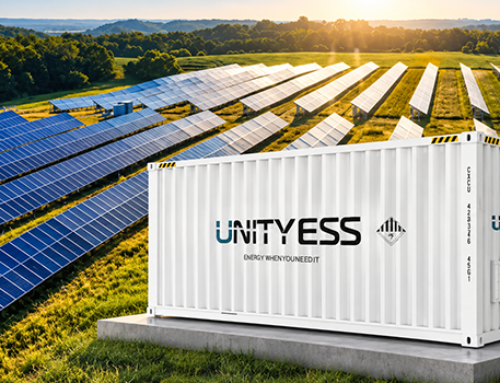
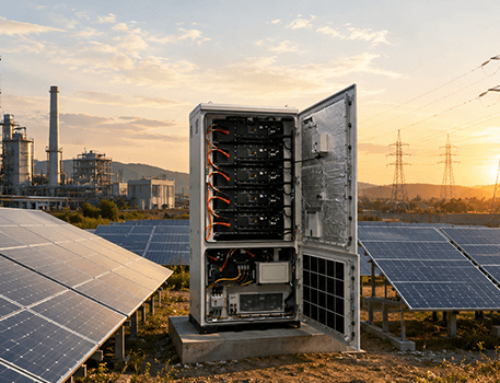
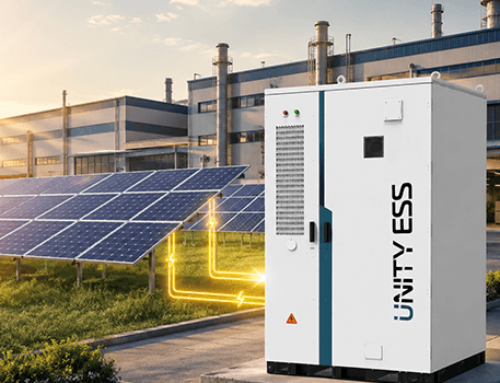
Ornate Solar is also a trusted BESS manufacturer in India. We have developed UnityESS, an advanced energy storage solution to provide reliable power and energy independence.
If you are looking for high-quality solar solutions, call us at 1800 2026 252 to discuss your options.



Leave A Comment