

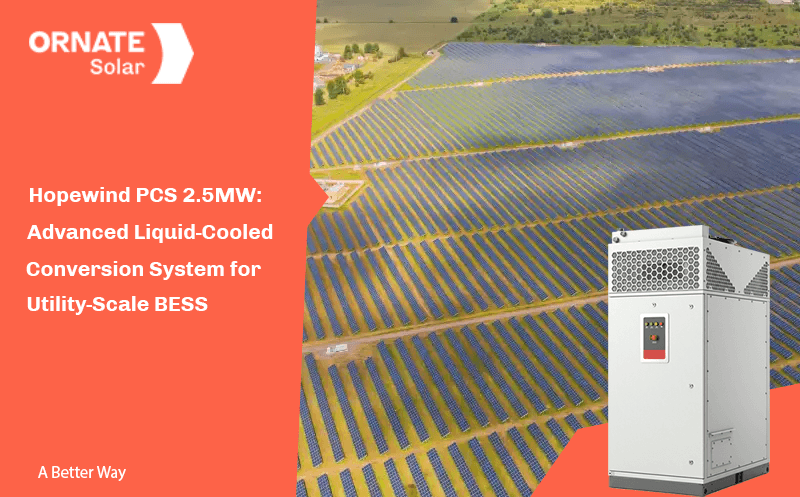
The future of Battery Energy Storage Systems (BESS) is no longer just about batteries. It is about how efficiently power can be controlled, stabilized, and delivered to the grid.
As utility-scale solar and storage projects continue to grow, power systems are facing new challenges every day. Rising temperatures, fluctuating renewable generation, grid instability, and increasing energy demand are pushing conventional infrastructure to its limits.
This is why advanced Power Conversion Systems (PCS) are becoming one of the most important technologies in modern battery energy storage systems.
The Hopewind PCS 2.5MW is designed for this new generation of utility-scale energy infrastructure. Built with advanced liquid cooling, grid-forming capability, and industrial-grade protection, the system delivers reliable, stable, and high-performance operation even in demanding real-world conditions.
What is a PCS in Battery Energy Storage System?
A Power Conversion System (PCS) is the technology that connects battery storage systems with the electrical grid.
Batteries store energy in DC power, while the grid operates on AC power. The PCS converts DC power from batteries into AC power for grid use and converts AC power back into DC while charging the batteries.
In utility scale energy storage projects, the PCS helps to manage:
- battery charging and discharging,
- grid stability,
- voltage and frequency control,
- and renewable energy integration.
This makes the PCS one of the most important components in modern Battery Energy Storage Systems (BESS).
Why PCS Has Become Crucial in Modern Energy Storage
Modern energy storage systems need more than just batteries. They need intelligent power control to manage energy flow, maintain grid stability, and support renewable integration.
This is where PCS technology becomes necessary.
A Power Conversion System (PCS) controls how energy moves between batteries and the grid. It helps manage charging, discharging, voltage, frequency, and overall system performance in utility scale Battery Energy Storage Systems (BESS)
Introducing the Hopewind 2.5MW PCS
The Hopewind 2.5MW PCS is part of Hopewind’s liquid-cooled central PCS platform developed specifically for large-scale battery energy storage systems.
With a rated output power of 2.5MW, the PCS is engineered for:
- utility-scale BESS projects,
- renewable integration,
- industrial energy storage,
- microgrids,
- and grid-support applications.
Unlike conventional air-cooled PCS architectures, the Hopewind launched an advanced liquid-cooling system optimized for thermal consistency, power density, and high-temperature operation.
The system also integrates advanced grid-forming capabilities, enabling stronger grid support and more stable operation in weak-grid environments
Liquid Cooling: A Major Advantage in Hopewind 2.5MW PCS Design
Thermal management has become one of the most important engineering considerations in large-scale energy storage systems.
In conventional air-cooled PCS systems, high ambient temperatures can lead to:
- thermal stress,
- efficiency losses,
- increased maintenance,
- dust accumulation,
- and power derating.
These issues become even more critical in hot-climate regions such as India, the Middle East, Southeast Asia, and desert utility-scale solar installations.
The Hopewind PCS 2.5MW addresses this challenge with an advanced liquid-cooling architecture designed to maintain stable operating temperatures under demanding load conditions.
Compared to traditional air-cooling systems, liquid cooling offers several operational advantages:
- More efficient heat dissipation
- Improved thermal consistency
- Reduced hotspot formation
- Lower maintenance exposure
- Higher equipment lifespan
- Better high-temperature performance
- Improved enclosure sealing against dust and humidity
For utility operators and EPC companies, improved thermal stability translates directly into higher operational reliability and lower lifecycle risk.
Designed for High-Temperature Environments
One of the standout capabilities of the Hopewind PCS is its ability to operate at temperatures up to 51°C without derating.
This is particularly important for utility-scale solar-plus-storage projects where peak ambient temperatures often coincide with peak renewable generation periods.
In many conventional PCS systems, high temperatures can reduce output capacity during critical operating hours. This negatively affects:
- project efficiency,
- dispatch capability,
- energy throughput,
- and overall revenue generation.
The Hopewind PCS is engineered to minimize these limitations, helping maintain stable performance even in challenging environmental conditions.
This makes the platform highly suitable for:
- desert solar farms,
- high-temperature industrial facilities,
- utility-scale renewable projects,
- and tropical deployment regions.
Grid Forming Capability for Modern Power Systems
As renewable energy adoption continues to grow, maintaining grid stability is becoming more challenging. Traditional grid-following systems depend on an already stable grid to operate properly.
The Hopewind PCS supports advanced grid-forming functionality that helps improve voltage and frequency stability, especially in weak-grid and renewable-heavy environments.
The system supports:
- PQ mode,
- VF mode,
- and VSG (Virtual Synchronous Generator) mode.
These capabilities help support:
- stable grid operation,
- renewable energy integration,
- microgrid applications,
- and backup power functionality.
This makes the Hopewind PCS suitable for utility-scale energy storage, remote industrial sites, and modern renewable power systems.
High Environmental Protection for Long-Term Reliability
Utility-scale PCS systems are often deployed in harsh outdoor environments where dust, humidity, corrosion, and temperature fluctuations can significantly impact long-term reliability.
The Hopewind PCS 2.5MW is designed for high environmental adaptability with:
- IP66 ingress protection,
- C5 anti-corrosion protection,
- high humidity tolerance,
- and operation at altitudes up to 4000m.
These protection standards help improve operational reliability in:
- coastal regions,
- desert environments,
- mining operations,
- heavy industrial zones,
- and utility-scale outdoor installations.
For long-duration energy infrastructure projects, environmental durability is a critical factor influencing maintenance requirements and asset lifespan.
Smart Integration and Utility Communication Support
Modern energy storage systems require seamless integration with:
- Energy Management Systems (EMS),
- SCADA platforms,
- utility dispatch infrastructure,
- and smart grid networks.
The Hopewind PCS supports multiple industry-standard communication protocols including:
- Modbus TCP,
- IEC 61850,
- IEC 104,
- Modbus RTU,
- and CAN 2.0.
This enables advanced monitoring, remote control, real-time diagnostics, and intelligent dispatch integration for complex utility-scale energy storage environments.
Why the Hopewind PCS 2.5MW Matters in the Future of Energy Storage
The energy storage industry is moving rapidly toward:
- higher power density,
- smarter grid support,
- advanced thermal management,
- and more resilient utility-scale infrastructure.
PCS technology is no longer viewed as just a conversion device — it is now considered a strategic component of grid modernization.
The Hopewind hopePCSHV 2500 aligns with this next generation of energy storage requirements through:
- advanced liquid cooling,
- high-temperature operational capability,
- grid-forming support,
- utility-grade protection,
- and scalable high-power architecture.
For EPC companies, developers, utilities, and system integrators, these capabilities can help improve:
- project reliability,
- operational stability,
- energy throughput,
- and long-term system performance.
Common FAQs
Conclusion
As utility-scale energy storage becomes increasingly important for modern power systems, the role of advanced PCS technology continues to grow.
The Hopewind PCS 2.5MW is engineered to meet the evolving demands of renewable-heavy grids with a design focused on:
- thermal reliability,
- intelligent grid support,
- environmental durability,
- and high-performance energy conversion.
Its combination of liquid cooling, grid-forming functionality, compact design, and utility-scale operational capability positions it as a strong solution for next-generation battery energy storage projects.
For developers and EPC companies seeking a utility-grade central PCS designed for modern BESS applications, the Hopewind hopePCSHV 2500 offers a future-ready platform built for real-world energy infrastructure challenges.
About Ornate Solar
Ornate Solar is a leading solar company with 10 years of experience in the industry and the mission to reimagine the way solar is installed worldwide.
By not only partnering with the best-in-class solar brands but also developing our high-quality solutions (panels, solar inverters, accessories, InRoof), we develop and deliver solutions that are modern, reliable, and effective.
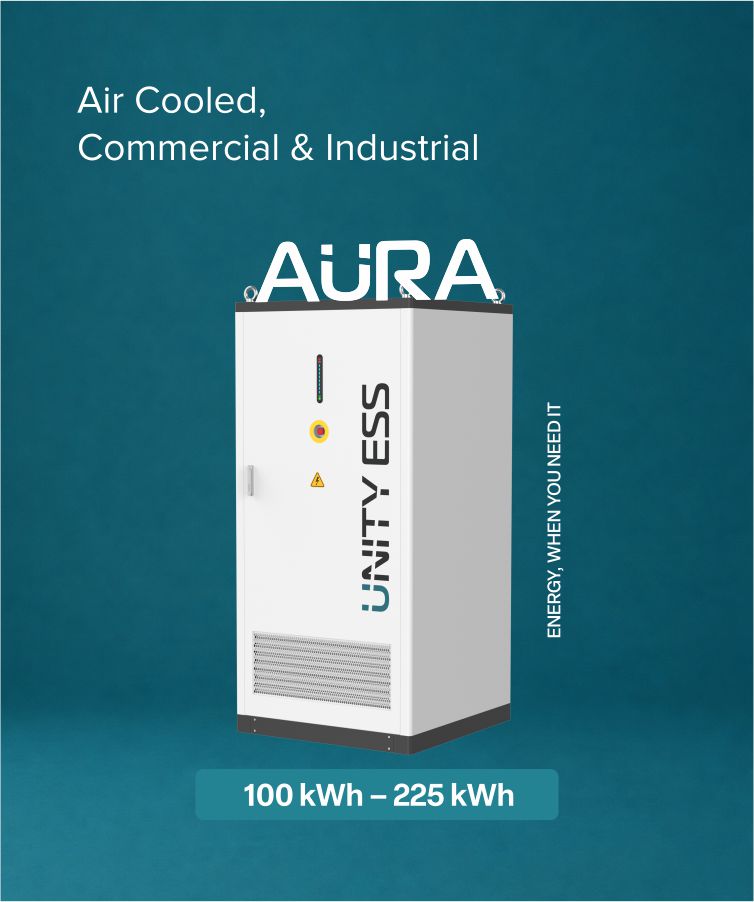
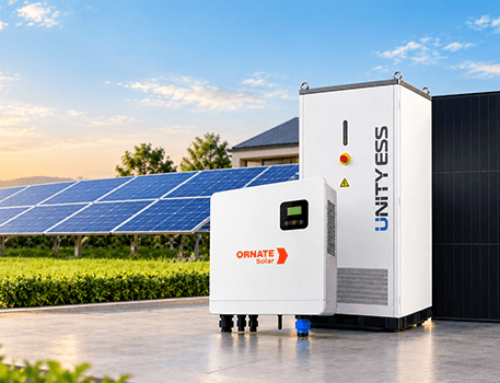
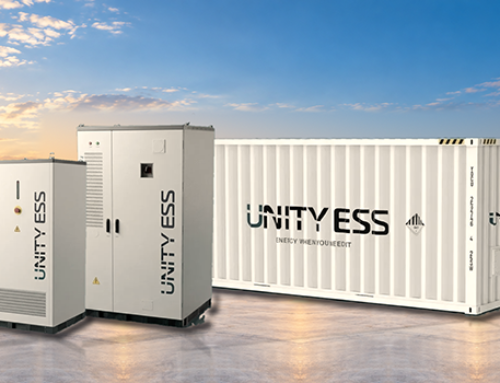
Ornate Solar is also a trusted BESS manufacturer in India. We have developed UnityESS, an advanced energy storage solution to provide reliable power and energy independence.
If you are looking for high-quality solar solutions, call us at 1800 2026 252 to discuss your options.







Leave A Comment