

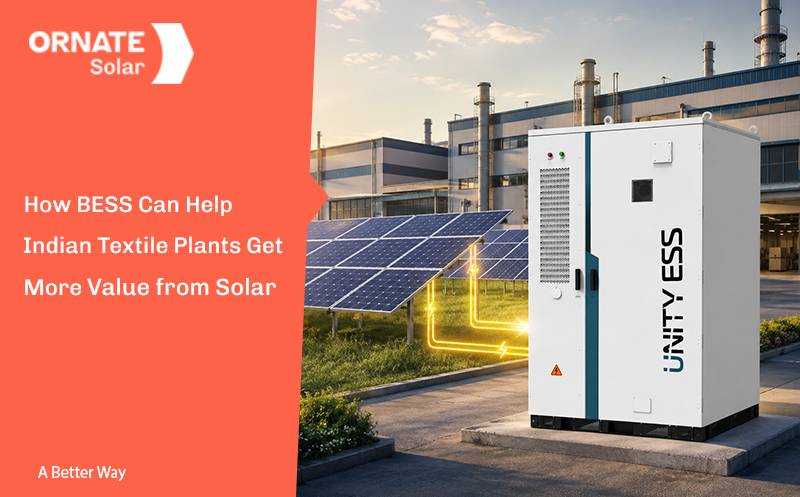
A Battery Energy Storage System (BESS) lets a textile plants store electricity when it’s available and use it when it’s actually needed. For a facility running on rooftop solar, that usually means shifting surplus daytime generation into the evening shift, trimming short maximum-demand spikes, and backing up selected critical loads during grid interruptions.
BESS isn’t automatically worth it for every plant. Its value depends on the facility’s load profile, solar generation pattern, electricity tariff, demand charges, grid reliability, and diesel usage—Let us help you find out whether you need BESS!
Why Textile Plants Face a Solar Timing Problem
Textile manufacturing rarely stops when the sun goes down. Spinning, weaving, knitting, dyeing, finishing, compressed-air systems — depending on the facility, several of these run across multiple shifts, well into the evening.
Solar generation follows a completely different curve. It rises in the morning, peaks around midday, and tapers off by evening.
That leaves a plant with rooftop solar in one of three situations at any given hour: consuming solar directly because generation and demand happen to overlap, exporting surplus solar (often at a lower rate than it’s worth), or drawing grid power once solar has dropped off for the day.
This is the gap BESS for the textile industry is built to close — not by generating more power, but by deciding when the power that’s already been generated actually gets used.
How a BESS Actually Works Inside a Textile Plant
Setting up a ground-mounted solar plant in India typically costs ₹2.5 to ₹3 crores per megawatt (MW), depending on factors such as location, scale, and technology. While the upfront investment may seem substantial, the Levelized Cost of Energy (LCOE) is highly competitive, positioning solar power as one of the most cost-effective energy solutions today.
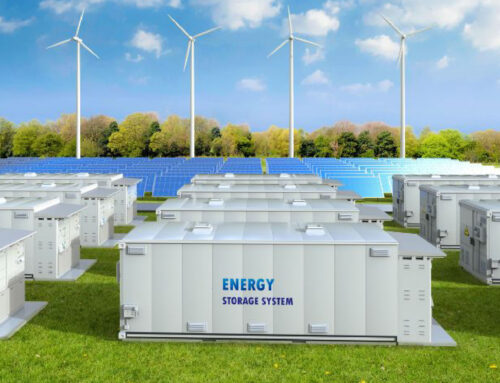
A commercial & industrial BESS is a bank of batteries paired with a battery management system, power conversion equipment, and protection systems, wired between the solar array, the grid, and the plant’s internal electrical distribution.
A typical operating sequence looks something like this: rooftop solar covers the daytime load, any surplus charges the battery, the battery discharges during a demand spike or once solar tapers off in the evening, and — if the system is specifically designed for it — selected critical loads stay powered through a short grid interruption.
That last point matters more than it sounds. A standard grid-connected BESS shouldn’t be assumed to work like a UPS or a full diesel replacement. Backup capability depends entirely on how the power conversion system, switching, and load segregation were designed — not just on how many kWh the battery holds.
Where BESS Actually Creates Value for a Textile Plant
The financial case for a battery usually rests on one or two clearly defined uses, evaluated on their own rather than bundled together as a vague “efficiency upgrade.”
Increasing solar self-consumption.
If exporting surplus solar pays less than what it would save by using that energy later, storing it can add real value — but only after accounting for charging losses, battery degradation, and financing costs. The real comparison isn’t solar cost versus grid tariff; it’s the delivered cost of stored energy versus whatever expense it avoids.
Reducing maximum-demand spikes.
Many industrial tariffs bill for peak demand, not just total consumption. A textile plant with multiple motors and compressors starting together can see sharp demand spikes that a battery can discharge into — a strategy known as peak shaving. This only works if the control strategy is built around the plant’s actual demand pattern, not installed as an afterthought.
Backing up selected critical loads.
A well-engineered BESS can carry control systems, IT infrastructure, or essential process equipment through a short outage, cutting diesel runtime. But backup duration is limited by battery capacity — designing for the whole factory instead of a defined critical-load list can inflate the system size and cost, fast. Let us help you size your BESS!
Start With the Load Profile, Not the Battery Catalogue
The most useful starting point for evaluating battery storage for a textile plant isn’t a battery spec sheet — it’s the plant’s own electricity data, ideally at 15-minute resolution. A monthly bill shows totals; it can’t show when demand actually happens.
A finer load profile, compared against the solar generation curve, answers the questions that actually determine system design: how much solar gets used directly, whether there’s meaningful surplus, when the plant draws the most expensive power, and whether demand peaks are frequent or occasional. A plant with heavy evening load needs a very different configuration from one dealing mostly with short, occasional demand spikes.
Efficiency, Degradation, and Safety Aren’t Footnotes
A BESS doesn’t return every unit of electricity used to charge it — losses happen through charging, power conversion, and thermal management, and usable capacity fades with age and use. Battery warranties are worth reading closely, since duration, cycle limits, and depth-of-discharge conditions all affect real-world performance over the system’s life.
Safety and electrical integration deserve just as much attention as sizing. Battery management, fire detection, ventilation, and correct integration with existing switchgear and transformers aren’t optional add-ons — a BESS is an electrical infrastructure project, not just a container of batteries bolted onto a solar system.
Is BESS Worth It for Your Plant?
Not always. The case is weak where a plant mostly runs during daylight hours, already consumes most of its solar directly, has low demand charges, faces little time-of-day tariff difference, sees a reliable grid, and runs minimal diesel backup.
The case gets much stronger for multi-shift facilities with meaningful evening or night demand, frequent demand spikes, real surplus solar, expensive diesel backup, grid reliability concerns, or a tariff that actually rewards shifting load. The decision should come from the plant’s own data — not a general assumption that every solar-powered factory needs a battery bolted on.
How to Evaluate a BESS Project, Step by Step
Start by defining the primary objective — solar shifting, peak shaving, backup, or some combination — since this shapes everything else about the system’s power and energy rating. From there: pull at least 15-minute load data, compare it against the solar generation curve, review the actual tariff structure, identify which loads are genuinely critical rather than backing up the whole plant by default, and validate how the system will integrate with existing switchgear and transformers before finalising a design.
The Bigger Shift This Reflects
Rooftop solar already proved that textile manufacturers could cut daytime electricity costs. The next question is whether the same facility can extract more value by controlling when that energy gets used — shifting solar into later shifts, trimming demand spikes, and backing up the right loads.
None of that happens automatically just because a battery gets added to a solar system. It starts with data: the plant’s actual load profile, tariff structure, solar output, and demand history. That’s really the shift underway in textile energy management — from generating cheaper electricity to actively managing how and when it gets used.
Common FAQs
Conclusion
BESS for the textile industry works best when it’s solving a clearly defined problem — storing surplus solar for the evening shift, controlling demand spikes, or backing up specific critical loads — rather than being installed as a general-purpose upgrade.
The right system isn’t a standard battery size or a generic ROI claim. It comes down to the relationship between a plant’s load profile, solar generation, tariff structure, and operational priorities — and that’s where a proper energy storage solution assessment is worth more than simply asking how much a battery costs.
About Ornate Solar
Ornate Solar is a leading solar company with 10 years of experience in the industry and the mission to reimagine the way solar is installed worldwide.
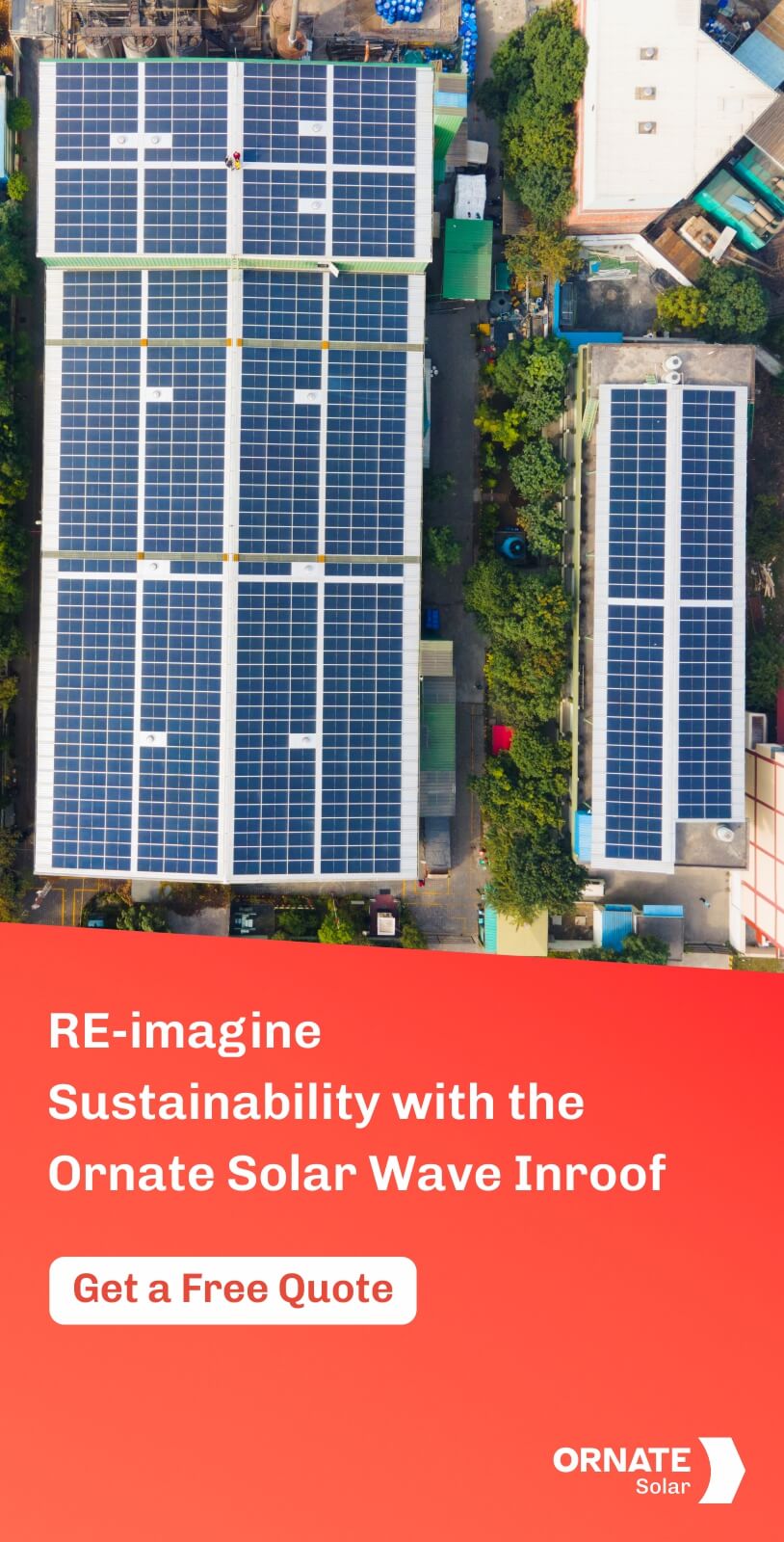
By not only partnering with the best-in-class solar brands but also developing our high-quality solutions (panels, solar inverters, accessories, InRoof), we develop and deliver solutions that are modern, reliable, and effective.
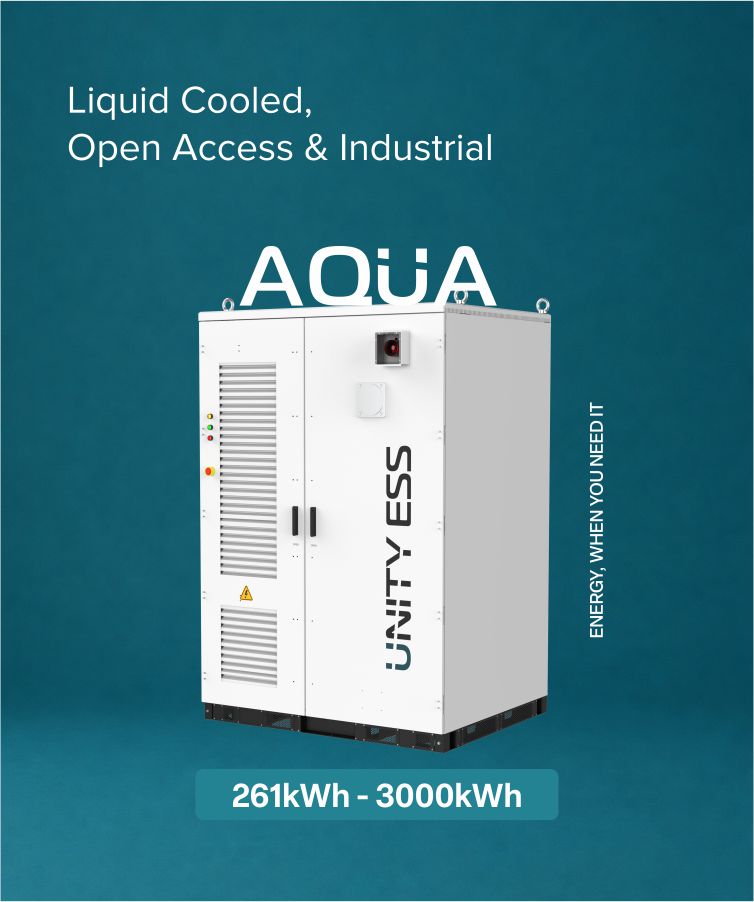
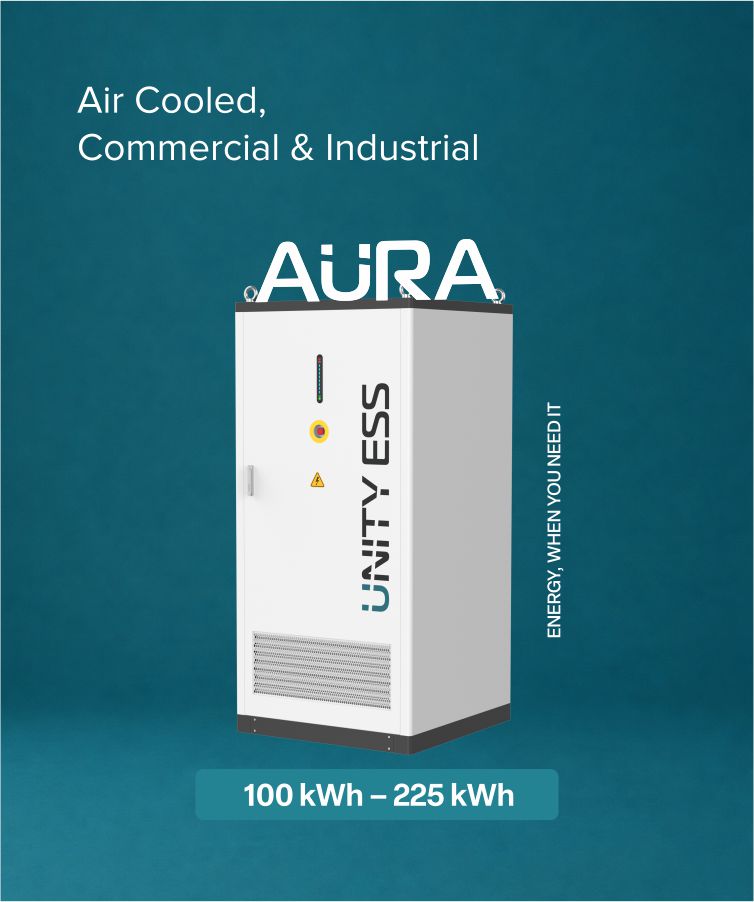
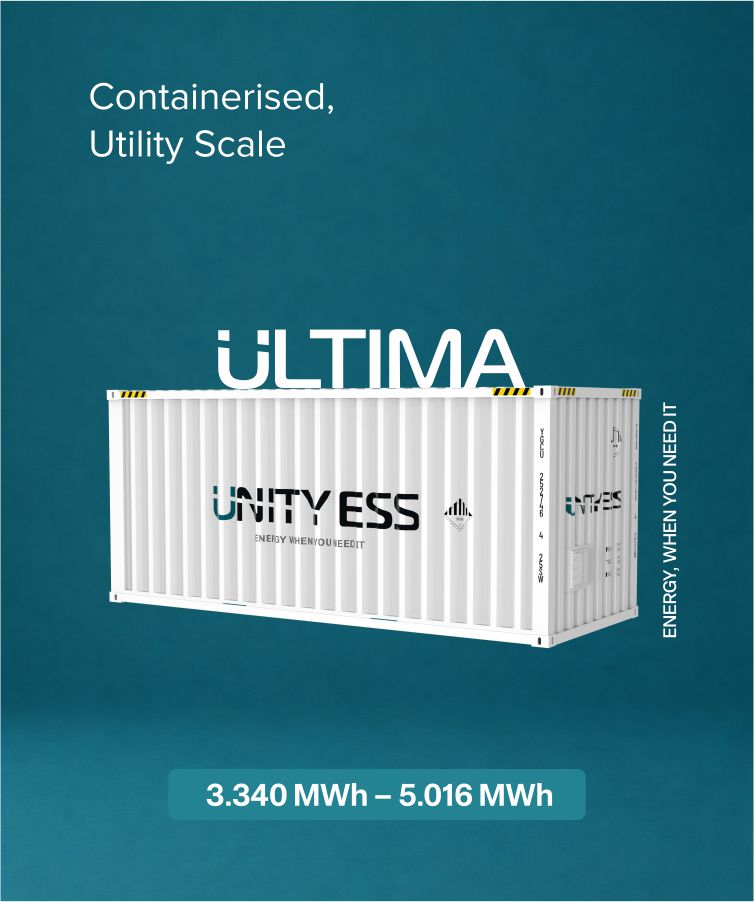
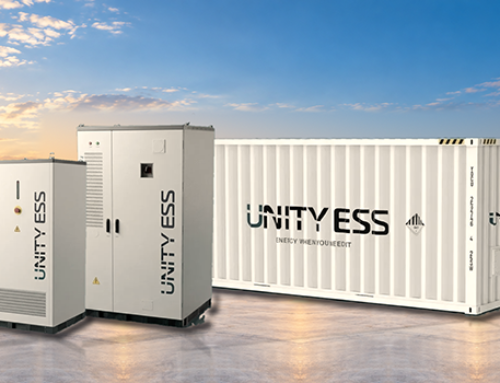
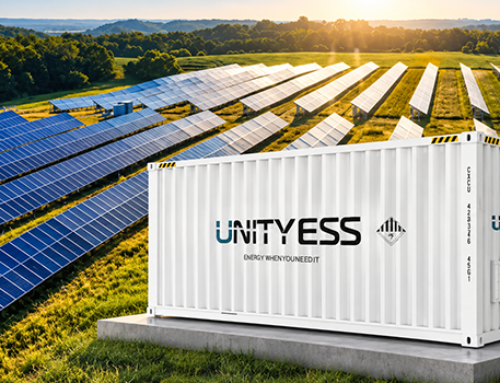
Ornate Solar is also a trusted BESS manufacturer in India. We have developed UnityESS, an advanced energy storage solution to provide reliable power and energy independence.
If you are looking for high-quality solar solutions, call us at 1800 2026 252 to discuss your options.



Leave A Comment