

PM Surya Ghar Yojana 2.0: Latest Update
PM Surya Ghar Yojana 2.0 is not officially launched or notified as a new government scheme as of August 10, 2026. The Ministry of New and Renewable Energy (MNRE) is discussing a possible next phase of India’s rooftop solar programme, with proposals that could change how financial support is provided and expand participation beyond individual rooftop owners.
The proposals under discussion include generation-linked financial support, incentives for battery energy storage, shared and virtual net metering, stronger quality monitoring, and digital tracking of rooftop solar systems.
The existing PM Surya Ghar: Muft Bijli Yojana remains active. The current residential subsidy structure continues to apply, with financial assistance of up to ₹78,000 for a 3 kW or larger residential rooftop solar system, subject to applicable scheme guidelines.
There is currently no confirmed PM Surya Ghar 2.0 launch date, new subsidy amount, eligibility framework, or separate registration process.
What Is PM Surya Ghar Yojana 2.0?
PM Surya Ghar 2.0 is an informal term being used for the proposed next phase or redesign of India’s residential rooftop solar programme.
The original PM Surya Ghar: Muft Bijli Yojana was launched in February 2024 with the objective of supporting rooftop solar adoption among 1 crore households.
As the government considers the next stage of the programme, the focus is reportedly shifting beyond simply increasing the number of rooftop systems installed.
The proposed approach places greater emphasis on how much electricity a solar system actually generates, long-term system performance, battery energy storage, grid stability, shared solar for apartments and multi-tenant buildings, installation and equipment quality, and digital monitoring and lifecycle service.
MNRE held a stakeholder and brainstorming discussion in July 2026 to consider the future roadmap of the programme. These discussions should not be interpreted as a formal launch of PM Surya Ghar 2.0.
PM Surya Ghar 2.0: Confirmed vs Proposed
| Feature | Current PM Surya Ghar | Proposed 2.0 |
|---|---|---|
| Status | Active | Not yet notified |
| Subsidy basis | Installed capacity | May include actual generation |
| Battery incentive | Not part of standard subsidy | Under consideration |
| Apartment participation | Limited by current arrangements | Shared/virtual solar being considered |
| 1 kW subsidy | ₹30,000 | Not announced |
| 2 kW subsidy | ₹60,000 | Not announced |
| 3 kW and above | ₹78,000 | Not announced |
| Quality monitoring | Existing verification process | AI-assisted checks proposed |
| Digital lifecycle tracking | Limited | Digital Solar Passport proposed |
| Separate 2.0 portal | No | Not announced |
Important: The features in the proposed 2.0 column are proposals under discussion, not benefits that consumers can currently claim.
What Could Change Under PM Surya Ghar 2.0?
1. Generation-Linked Solar Support
One of the biggest proposed changes is a move toward linking part of financial assistance to actual electricity generation. Under the current model, subsidy is primarily connected to the installed capacity of the rooftop solar system.
A future model could potentially combine upfront capital assistance with performance or generation-linked support. This would put greater emphasis on whether a system continues to deliver electricity efficiently after installation.
For consumers, this could make factors such as system design, module quality, inverter performance, shading, monitoring and maintenance more important than simply installing the required capacity. However, the exact formula for any generation-linked incentive has not been officially announced.
2. Battery Storage Incentives
Battery Energy Storage Systems (BESS) are another major area being considered. Solar panels generate electricity during daylight hours, while household electricity consumption often continues after sunset. Batteries can store surplus solar energy during the day and make it available later.
A dedicated storage incentive could potentially help households use more of their own solar generation and reduce dependence on grid electricity during non-solar hours.
Possible benefits of residential battery storage include:
- Greater use of self-generated solar power
- Evening use of stored solar energy
- Reduced dependence on grid electricity
- Backup capability
- Better integration of rooftop solar with the electricity grid
No final battery subsidy amount or eligibility criteria have been announced under PM Surya Ghar 2.0.
3. Shared and Virtual Net Metering
One limitation of rooftop solar is that not every household has access to a suitable private roof. This is particularly relevant for apartment residents, housing societies, multi-storey buildings, tenants and homes with limited rooftop space.
PM Surya Ghar 2.0 discussions reportedly include group and virtual net metering, which could allow electricity benefits from a shared solar installation to be allocated among participating consumers.
For example, instead of every apartment needing its own rooftop solar system, a housing society could potentially install a common solar plant and distribute the associated electricity credits.
This could expand the number of households able to participate in rooftop or community solar. However, these arrangements are under discussion and are not yet confirmed as PM Surya Ghar 2.0 benefits.
4. AI-Based Quality Checks and Digital Solar Passport
Another proposed change is stronger digital monitoring of rooftop solar installations. A proposed Digital Solar Passport could maintain information about a solar installation throughout its operating life, potentially including electricity generation, maintenance history, warranty information, system performance and installation details.
AI-assisted quality assessment has also been discussed as a possible way of improving installation monitoring.
If implemented, this could help move rooftop solar from a one-time installation transaction toward a lifecycle-based energy asset that is monitored after commissioning.
What Is the Current PM Surya Ghar Subsidy?
While PM Surya Ghar 2.0 is still under discussion, the existing PM Surya Ghar: Muft Bijli Yojana remains the applicable scheme.
- 1 kW: ₹30,000
- 2 kW: ₹60,000
- 3 kW and above: ₹78,000
The subsidy is subject to the scheme’s eligibility requirements, approved equipment and applicable implementation guidelines.
Consumers should check the official PM Surya Ghar portal and current MNRE guidelines before making an application, rather than relying on social media posts or unofficial claims about a future 2.0 subsidy.
Will PM Surya Ghar 2.0 Benefit Apartment Residents?
Potentially, yes. Shared solar and virtual net metering are among the proposals that could make participation easier for consumers who do not have an individually usable rooftop.
Under such a model, solar generation could potentially be connected to multiple consumers through approved metering and billing arrangements.
Apartment residents should not assume that PM Surya Ghar 2.0 currently accepts applications for virtual or group net metering. The final rules, eligibility conditions and implementation mechanism have not been notified.
Should You Wait for PM Surya Ghar 2.0 to Install Solar?
For most homeowners, waiting solely because of the proposed 2.0 scheme carries uncertainty. There is currently no confirmed launch date or finalized subsidy structure.
If you already have a suitable rooftop and want to reduce your electricity bills, the existing PM Surya Ghar scheme is the programme currently available.
You may consider waiting if your decision specifically depends on a potential future feature, such as:
- Battery storage support
- Shared solar for an apartment
- Virtual net metering
- A different subsidy structure
These benefits should not be treated as guaranteed until MNRE formally notifies them.
PM Surya Ghar 2.0 Launch Date: What We Know
As of August 10, 2026, there is no officially announced launch date for PM Surya Ghar 2.0.
The July 2026 stakeholder discussions represent an important step in considering the future of the programme, but a discussion or consultation does not itself create a new subsidy scheme.
A formal rollout would require the government to communicate the final policy framework, including:
- Final subsidy structure
- Eligibility criteria
- Battery-storage provisions
- Metering arrangements
- Application process
- Implementation guidelines
- Effective date
Until those details are formally announced, consumers should continue to follow the existing PM Surya Ghar guidelines.
Common FAQs
Conclusion
PM Surya Ghar Yojana 2.0 is currently a proposed next phase of India’s rooftop solar programme, not a launched subsidy scheme.
The ideas being discussed point toward a more performance-focused rooftop solar ecosystem, with potential changes around generation-linked support, battery storage, shared solar, virtual net metering, digital monitoring and long-term system performance.
The most important distinction is between what is proposed and what is officially available today. For homeowners planning solar now, the existing PM Surya Ghar: Muft Bijli Yojana remains the relevant scheme, including its current subsidy structure.
As MNRE moves from stakeholder consultation toward a possible policy framework, the subsidy amounts, eligibility rules and implementation details of any future PM Surya Ghar 2.0 should be treated as subject to official notification.
About Ornate Solar
Ornate Solar is a leading solar company with 10 years of experience in the industry and the mission to reimagine the way solar is installed worldwide.
By not only partnering with the best-in-class solar brands but also developing our high-quality solutions (panels, solar inverters, accessories, InRoof), we develop and deliver solutions that are modern, reliable, and effective.
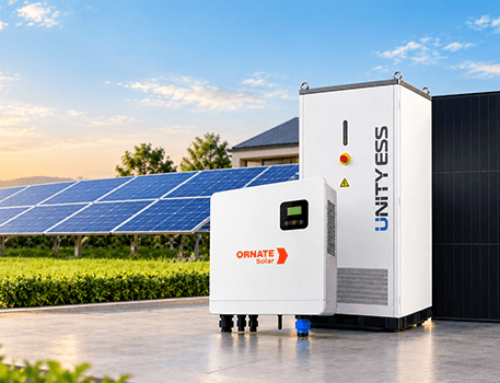
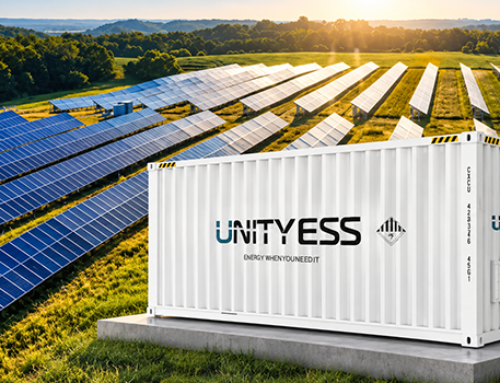
Ornate Solar is also a trusted BESS manufacturer in India. We have developed UnityESS, an advanced energy storage solution to provide reliable power and energy independence.
If you are looking for high-quality solar solutions, call us at 1800 2026 252 to discuss your options.






Leave A Comment