

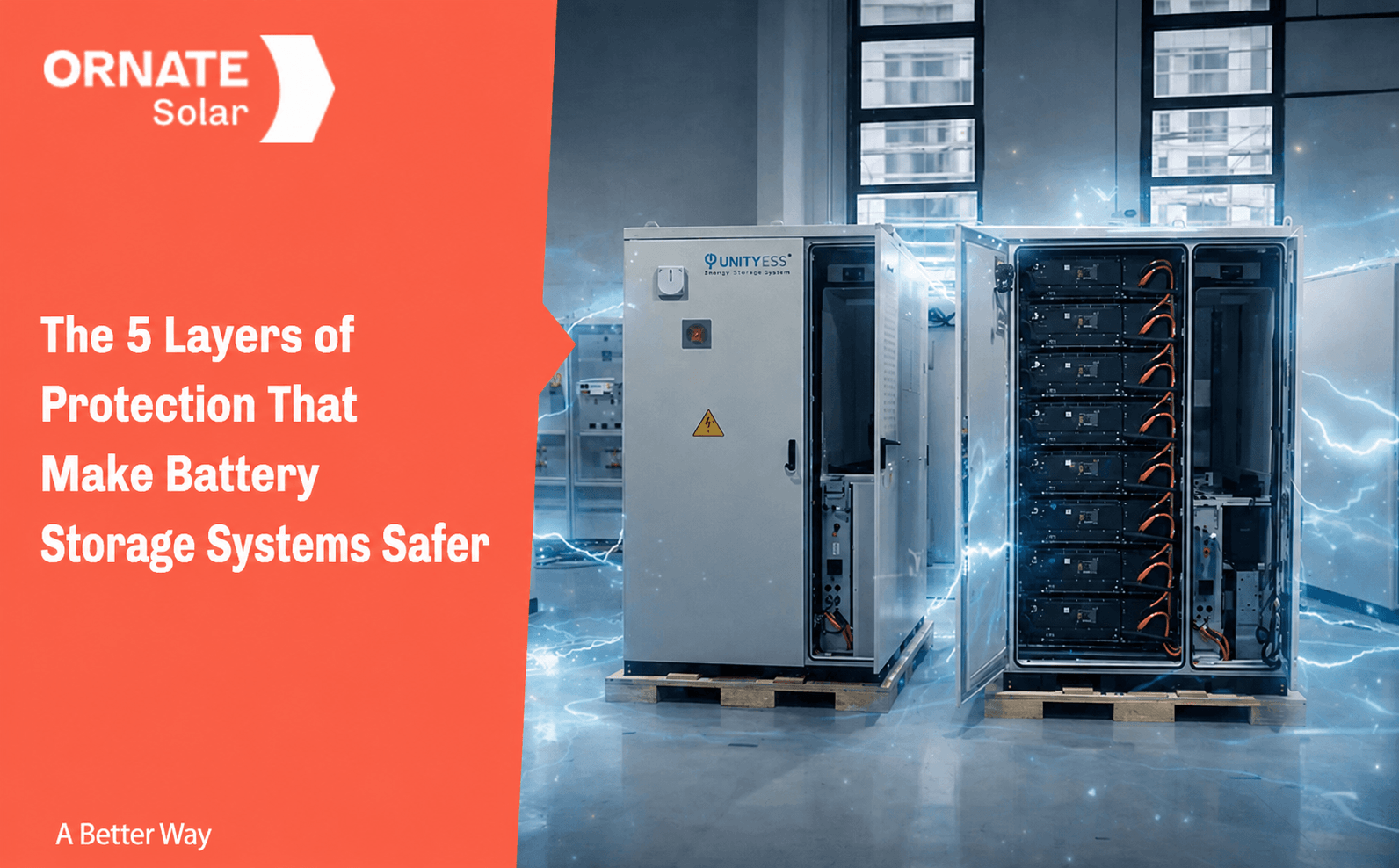
Battery safety is one of the first questions people ask when learning about Battery Energy Storage Systems (BESS)—and for good reason. These systems store large amounts of electricity, so it’s natural to wonder how they are designed to operate safely.
The answer lies in their design.
Modern battery storage systems don’t rely on a single safety feature. Instead, they’re built with multiple layers of protection, each designed to identify, control, or reduce potential risks before they become serious.
Rather than waiting for something to go wrong, engineers design battery systems to detect abnormal conditions early, contain issues if they occur, and prevent them from affecting the rest of the system.
This layered approach is one of the key reasons why today’s Battery Energy Storage Systems are significantly safer and more reliable than many people realize.
In this guide, we’ll explain the five essential protection layers used in modern battery storage systems, how each layer works, and why they all play an important role in overall battery safety.
Why Battery Storage Systems Need Multiple Layers of Protection
- Every technology that stores or uses energy comes with some level of risk.
- Cars have braking systems, airbags, and seatbelts.
- Commercial buildings have smoke detectors, sprinkler systems, and emergency exits.
- Aircraft rely on backup systems for critical operations.
- Battery storage systems follow the same engineering principle.
Instead of assuming that every component will always work perfectly, engineers design these systems with multiple independent safeguards. If one layer doesn’t completely resolve an issue, another layer is already in place to reduce the impact.
This engineering philosophy is commonly known as defense in depth.
In simple terms, it means building several independent safety measures that work together instead of relying on just one.
For Battery Energy Storage Systems, these protection layers help:
- Detect potential issues early.
- Prevent battery failures from escalating.
- Reduce the chance of fire spreading.
- Protect nearby equipment.
- Improve the safety of people working around the system.
Each protection layer serves a different purpose, but together they create a much stronger and more reliable safety system.
Let’s look at each layer in more detail.
Layer 1: Building Safety into the Battery System
The safest battery storage systems begin long before they’re installed.
Safety starts during the design and manufacturing process.
Every battery system is made up of several components, including battery cells, modules, racks, enclosures, cooling systems, electrical controls, and monitoring equipment. Each of these components is carefully engineered to work together safely under normal operating conditions.
Before a battery system reaches a customer, manufacturers perform extensive testing to understand how it behaves under different scenarios.
These tests evaluate questions such as:
- How does the battery respond to high temperatures?
- What happens if one battery cell develops a fault?
- Can the battery enclosure safely contain the issue?
- Does excessive heat spread to nearby battery modules?
By identifying potential risks during testing, manufacturers can improve the design before the system is installed in the field
Why this layer matters
Think of it like constructing a building.
If the foundation is strong, every other part of the building becomes more reliable.
The same principle applies to battery storage systems.
A well-designed system creates the foundation for every other safety feature that follows.
Layer 2: Detecting Problems Before They Become Serious
One of the most effective ways to improve battery safety is to identify problems as early as possible.
Most battery-related incidents don’t happen without warning.
Before a serious event occurs, the battery often shows changes that indicate something isn’t operating normally.
Modern Battery Energy Storage Systems continuously monitor conditions such as:
- Battery temperature
- Voltage
- Current
- Smoke
- Gas released from damaged battery cells
- Cooling system performance
This information is collected in real time and analyzed by the battery management system.
If something falls outside its normal operating range, the system can immediately generate alerts or activate protective actions.
Depending on the situation, the system may:
- Notify operators.
- Reduce battery operation.
- Isolate the affected battery module.
- Shut down parts of the system if necessary.
The goal is simple:
Identify small issues before they become larger ones.
Why this layer matters
Finding a problem early is almost always easier—and safer—than dealing with the consequences after it has developed.
Continuous monitoring gives operators valuable time to respond before a fault has the opportunity to escalate
Layer 3: Managing Heat and Pressure Safely
Even under normal operation, batteries generate heat.
That’s why modern Battery Energy Storage Systems are designed to carefully manage temperature throughout the system.
Cooling systems help keep batteries within their recommended operating range, improving both safety and performance.
However, if a battery cell becomes damaged, it may begin generating more heat than usual.
In some situations, damaged cells can also release gases.
If those gases remain trapped inside an enclosure, pressure can build over time.
To reduce this risk, battery storage systems incorporate features that safely manage both heat and pressure.
Depending on the system design, these features may include:
- Cooling systems
- Ventilation systems
- Pressure relief mechanisms
- Engineered airflow paths
Together, these systems help control internal conditions and reduce the likelihood that excessive heat or pressure will create a larger safety issue.
Why this layer matters
Managing heat is one of the most important aspects of battery safety.
By controlling temperature and safely managing gases, battery systems reduce the chances of a localized issue affecting the rest of the installation.
Layer 4: Preventing One Battery Issue from Spreading
One of the biggest goals in battery safety isn’t just preventing an issue—it’s keeping that issue contained if it does occur.
Battery Energy Storage Systems are made up of many individual battery cells, which are grouped into modules, racks, and cabinets. If a problem develops in one part of the system, it’s important that it doesn’t spread to the surrounding batteries.
This is where fire containment and propagation prevention become essential.
Modern battery storage systems are designed to isolate an affected area and reduce the possibility of heat or fire spreading throughout the entire installation.
Depending on the system design, this may include:
- Physical separation between battery modules
- Fire-resistant enclosures
- Thermal barriers
- Strategic spacing between battery cabinets
- System designs that isolate affected components
These measures help limit the impact of an incident to the smallest possible area.
Why this layer matters
Imagine a small electrical fault occurring in one office of a large building. Fire-rated walls help prevent the fire from spreading to other rooms, giving people time to respond and protecting the rest of the building.
Battery storage systems follow the same principle. By containing an issue where it starts, the system can help protect nearby equipment and reduce the impact on the overall installation.
Layer 5: Preparing for the Unexpected
Even the most advanced technology cannot replace good planning.
That’s why the final layer of protection focuses on how people respond if an unexpected situation occurs.
Battery storage facilities are supported by operational procedures that help ensure everyone knows what to do during an emergency.
This includes:
- Clearly documented emergency response plans
- Warning signs and hazard labels
- Emergency shutdown procedures
- Training for facility personnel
- Information that supports firefighters and emergency responders
These procedures help people respond quickly, safely, and effectively.
Why this layer matters
Technology helps prevent problems, but trained people help manage them.
A well-prepared team can make informed decisions, reduce confusion during an emergency, and help ensure that the situation is handled safely.
How These Five Layers Work Together
Each protection layer serves a different purpose.
Some focus on preventing issues before they happen. Others are designed to detect abnormal conditions, manage potential hazards, or help people respond safely.
Together, they create a multi-layered safety strategy, where every layer supports the next
| Protection Layer | Primary Purpose |
|---|---|
| Layer 1: Safe System Design | Reduces risk through carefully engineered and tested battery systems. |
| Layer 2: Continuous Monitoring | Detects abnormal conditions before they become serious. |
| Layer 3: Heat & Pressure Management | Controls temperature and safely manages gases released during abnormal events. |
| Layer 4: Fire Containment | Helps prevent one battery issue from spreading throughout the system. |
| Layer 5: Emergency Preparedness | Ensures people know how to respond safely if an incident occurs. |
Rather than depending on a single solution, these layers work together to improve the overall safety and reliability of Battery Energy Storage Systems.
This approach is one of the reasons why modern energy storage projects are designed to operate safely across a wide range of environments, from commercial buildings and industrial facilities to renewable energy projects and utility-scale installations.
How Industry Standards Support These Protection Layers
The five protection layers discussed above aren’t simply considered good engineering practices—they’re also reflected in internationally recognized safety standards that guide the design, testing, installation, and operation of Battery Energy Storage Systems.
For example, NFPA 855 provides guidance on the safe installation of stationary Battery Energy Storage Systems. It covers important considerations such as system layout, fire protection, ventilation, emergency planning, and installation practices.
Supporting this are testing standards like UL 9540 and UL 9540A.
- UL 9540 evaluates the safety of complete Battery Energy Storage Systems, including how different components work together as an integrated system.
- UL 9540A is a test method used to understand how a battery behaves during thermal runaway and whether heat or fire could spread to nearby components.
Together, these standards help manufacturers, project developers, installers, and authorities make informed decisions about battery safety throughout the entire lifecycle of a project.
While standards alone don’t make a battery system safe, they provide a consistent framework for designing, testing, and installing systems that meet recognized safety expectations.
Common FAQs
Safe Battery Storage Starts with Smart Design
Battery Energy Storage Systems are becoming an increasingly important part of modern energy infrastructure. As more organizations adopt energy storage to improve resilience, support renewable energy, and manage electricity costs, understanding how these systems stay safe is just as important as understanding how they work.
The five protection layers discussed in this article demonstrate that battery safety is never dependent on a single feature. Instead, it is achieved through a combination of thoughtful engineering, continuous monitoring, effective heat management, fire containment strategies, and well-prepared emergency procedures.
This layered approach helps improve system reliability while reducing potential risks throughout the life of the installation.
As battery technology continues to evolve, these protection layers will remain at the core of safer, smarter, and more dependable energy storage systems.
About Ornate Solar
Ornate Solar is a leading solar company with 10 years of experience in the industry and the mission to reimagine the way solar is installed worldwide.
By not only partnering with the best-in-class solar brands but also developing our high-quality solutions (panels, solar inverters, accessories, InRoof), we develop and deliver solutions that are modern, reliable, and effective.
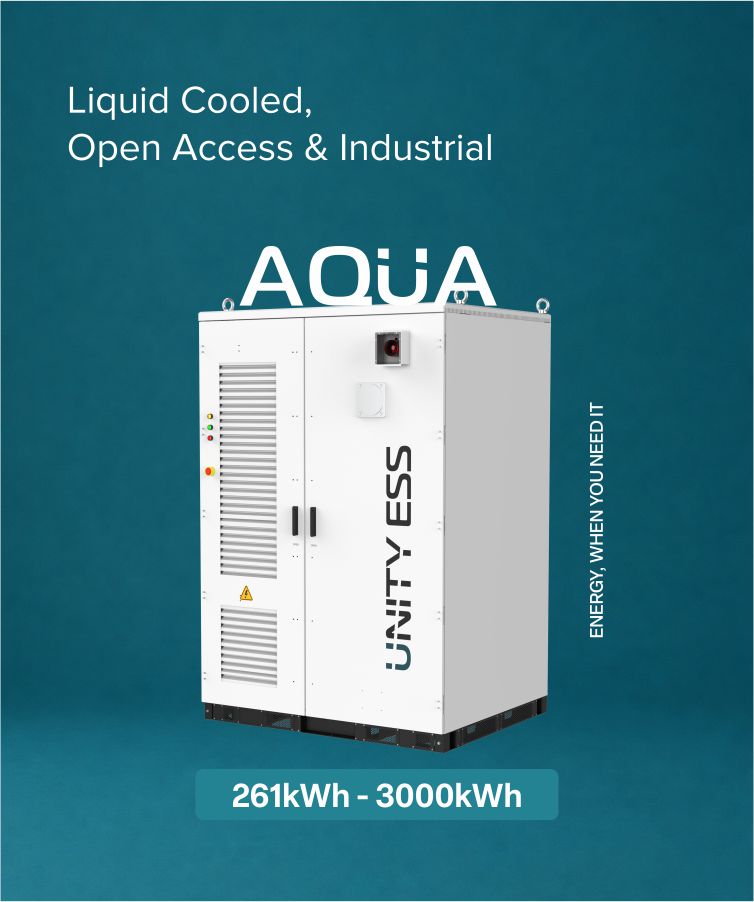
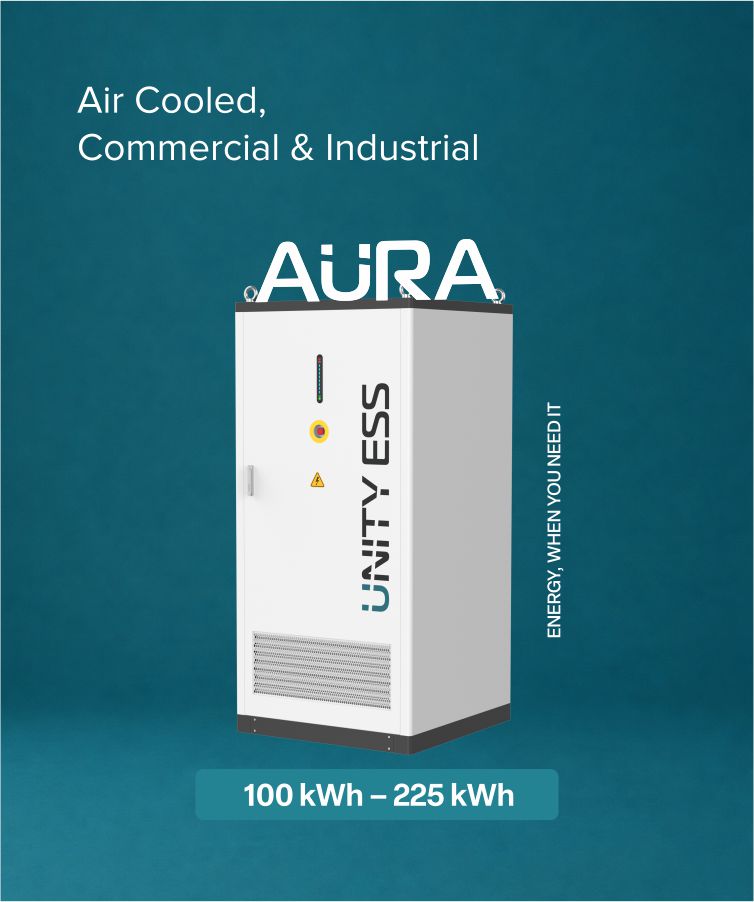
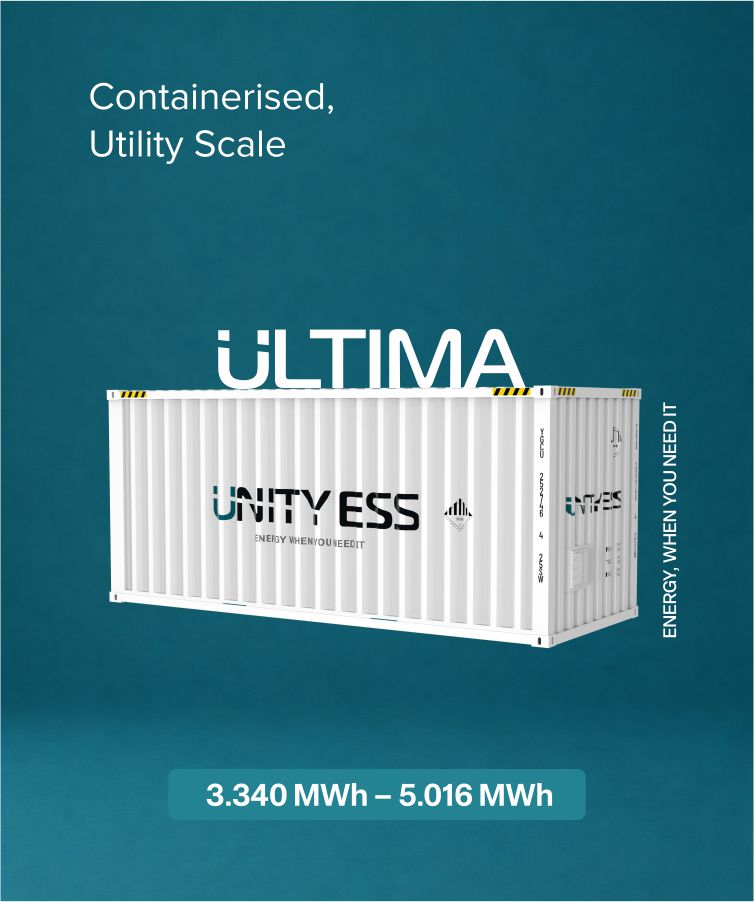
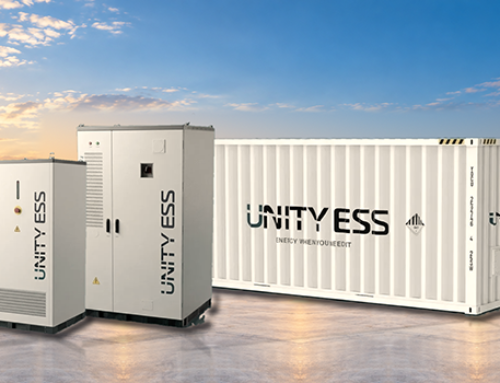
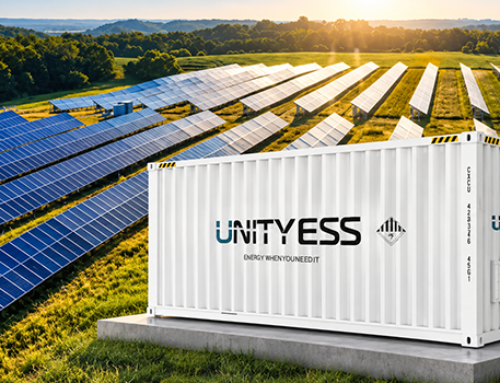
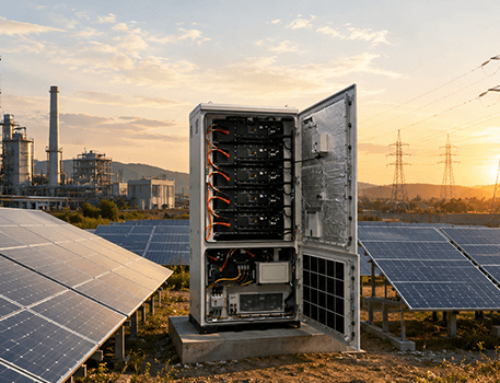
Ornate Solar is also a trusted BESS manufacturer in India. We have developed UnityESS, an advanced energy storage solution to provide reliable power and energy independence.
If you are looking for high-quality solar solutions, call us at 1800 2026 252 to discuss your options.




Leave A Comment