


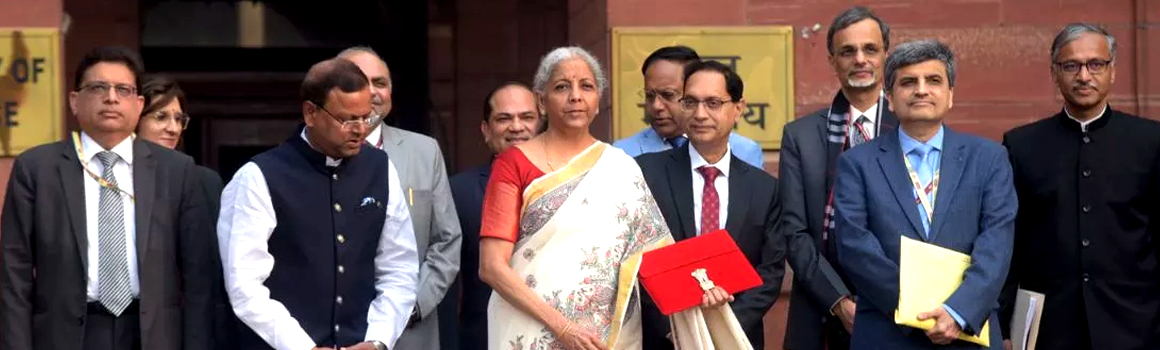
India’s Union Budget 2026–27, presented by Finance Minister Nirmala Sitharaman on February 1, 2026, delivered a strong signal of continued support for the country’s clean energy roadmap — especially the solar budget and associated value chains. The Budget increased allocations for the renewable sector and introduced key incentives to strengthen domestic manufacturing, improve cost competitiveness, and support solar and storage deployment.
Among the most important budgetary measures is the increase in capital expenditure outlay to ₹12.21 lakh crore, significantly enhancing visibility for long-term investment in solar and allied sectors. The government also boosted allocations for renewable energy programs, including the PM Surya Ghar Muft Bijli Yojana, which received a near 29% increase in funding — a move expected to drive household rooftop solar adoption nationwide.
The Budget extended Basic Customs Duty (BCD) exemptions for capital goods used in battery energy storage and solar glass manufacturing, which is designed to lower input costs across the solar manufacturing value chain and improve the competitiveness of domestically-produced solar panels and storage systems. Leaders from Saatvik Green Energy and Prozeal Green Energy noted that these steps will create a multiplier effect, encouraging solar and storage deployment in both utility-scale and distributed projects.
Industry experts also welcomed support for critical mineral processing incentives, a ₹20,000 crore outlay for carbon capture technologies, and policy continuity for technology-led growth, arguing these measures position the solar budget as a strategic lever for India’s long-term energy security and manufacturing goals.

Add Happiness to Every StepPanelInverterDream
Search For Solar PanelsInvertersAccessoriesNewsAnything !
We have everything you require to make your solar project more efficient, reliable and profitable. So go ahead search for anything solar.


Leave A Comment