

PM Kusum 2.0: What It Is, Who’s Eligible, and How to Apply for Solar Subsidy in 2025
PM Kusum 2.0 (Pradhan Mantri Kisan Urja Suraksha evam Utthan Mahabhiyan) is a central government scheme that subsidizes solar pumps and small solar power plants for Indian farmers, covering up to 60% of the system cost through central and state government grants. Eligible farmers can apply through their state DISCOM or nodal agency — this guide covers the 2025 subsidy amounts, state-wise application portals, and component-wise eligibility.
As the PM-KUSUM scheme progresses with its extended implementation timeline now set till 30 September 2026, the government is expected to further strengthen the program to address existing challenges and meet growing demand from states. Future enhancements are likely to focus on improving deployment efficiency and expanding capacity across components.
About PM-KUSUM Yojana
Launched in 2019 by the Ministry of New and Renewable Energy (MNRE), PM-KUSUM Yojana was designed to promote decentralised solar power while improving the reliability of electricity supply for farmers. The scheme aims to reduce the use of diesel in irrigation, lower the subsidy burden on DISCOMs, and create a sustainable energy ecosystem in rural areas.
The overall target under PM-KUSUM is the installation of 34,800 MW of solar capacity, supported by Central Financial Assistance (CFA) of approximately ₹34,422 crore. The scheme plays a dual role by supporting India’s renewable energy targets while strengthening agricultural infrastructure.
Components of PM-KUSUM Yojana
PM-KUSUM scheme is implemented through three distinct components, each addressing a specific requirement within the agricultural energy value chain.
Component A focuses on setting up decentralised, grid-connected solar power plants, typically with a capacity of up to 2 MW. These projects allow farmers, cooperatives, or rural entrepreneurs to generate solar power and sell it directly to DISCOMs.
Component B supports the installation of standalone solar agricultural pumps in off-grid or weak-grid areas, helping farmers replace diesel pumps with clean energy solutions.
Component C enables the solarisation of existing grid-connected agricultural pumps. This can be done either at the individual pump level or through feeder-level solarisation. Over time, Component C has emerged as the most scalable and impactful part of the scheme.
Component C and the Importance of Feeder-Level Solarisation
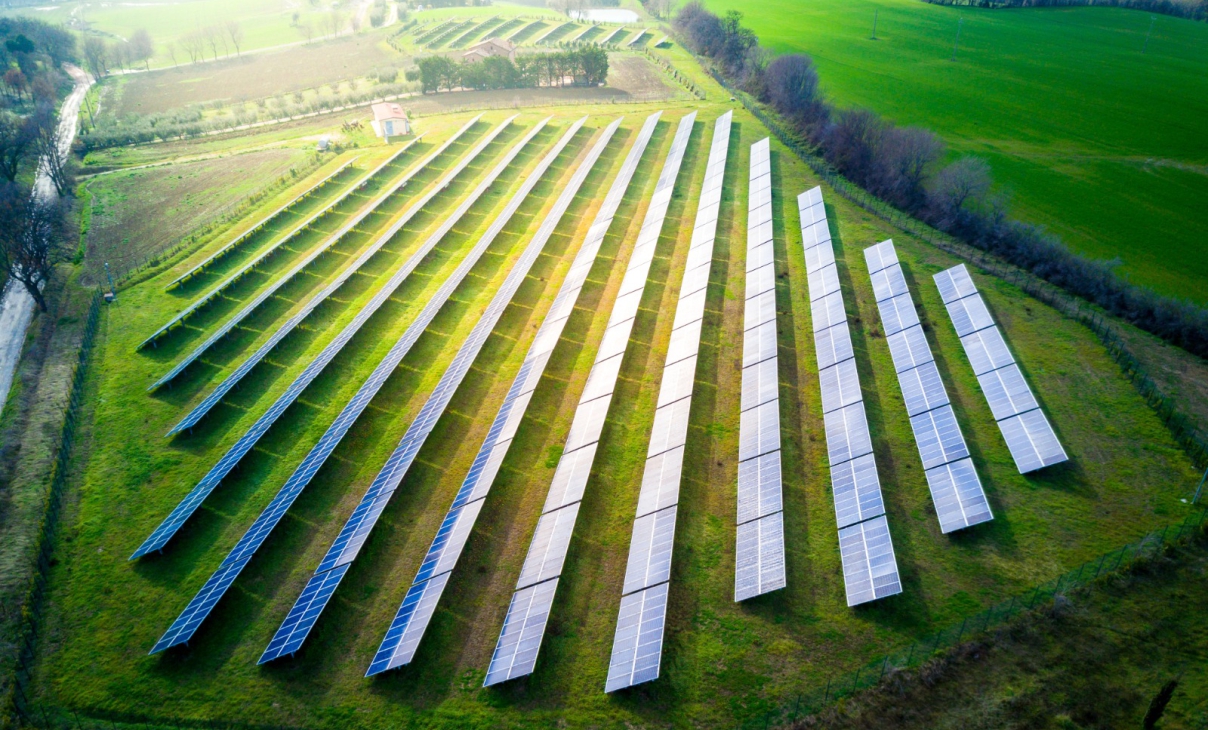
Under feeder-level solarisation, an entire agricultural feeder supplying power to multiple pumps is connected to a dedicated solar power plant. Instead of solarising individual pumps, the feeder itself is powered by solar energy during the day.
This model offers several operational advantages. Farmers receive reliable daytime electricity, which aligns better with irrigation needs and crop schedules. For DISCOMs, feeder-level solarisation reduces peak demand, improves energy accounting, and lowers subsidy requirements.
Due to these benefits, feeder-level projects have seen strong adoption in states such as Maharashtra, Rajasthan, and Madhya Pradesh. In several cases, demand from states has exceeded the originally allocated targets, highlighting the need for expansion under PM-KUSUM 2.0.
What PM-KUSUM 2.0 Is Expected to Address
PM-KUSUM 2.0 is being planned to respond to the increasing demand for solarisation and to improve implementation efficiency. The new phase is expected to focus on:
- Scaling up feeder-level solarisation projects
- Improving financial viability and payment security
- Streamlining land aggregation and approvals
- Strengthening institutional financing mechanisms
According to policy discussions, Components B and C may be linked with the Agriculture Infrastructure Fund (AIF), enabling easier access to low-interest, long-tenure loans. This is intended to reduce financing challenges for developers and farmer groups participating in the scheme.
Financial Support Under PM-KUSUM Yojana 2.0
Financial assistance remains a central feature of the scheme. Under the existing framework, Central Financial Assistance of around 30% of the benchmark project cost is provided. Many states also contribute additional subsidies, reducing the upfront investment burden.
For special category states, including hilly and North-Eastern regions, higher levels of financial support are available. PM-KUSUM 2.0 is expected to continue this structure, with possible refinements based on regional requirements and project scale.
Role of Technology in Feeder-Level Projects
Feeder-level solarisation involves utility-scale solar plants operating in challenging rural environments. As a result, technology selection plays a critical role in long-term performance and reliability.
High-quality solar modules capable of maintaining efficiency under high temperatures are essential for consistent energy generation. Similarly, advanced solar inverters are required to ensure grid stability, smooth power flow, and compliance with DISCOM requirements.
PM-KUSUM 2.0 also considers Agri-Photovoltaic (AgriPV) models, where solar structures are elevated to allow agricultural activities underneath. This approach enables dual land use, helping address land availability concerns in certain regions.
Implementation Challenges and Policy Improvements
During the initial phase of PM-KUSUM Yojana, some challenges were observed on the ground. These included payment delays from DISCOMs, land acquisition complexities, and difficulties arranging financing for large-scale projects.
PM-KUSUM 2.0 is expected to incorporate policy refinements to address these issues. Improved guidelines, better coordination mechanisms, and integration with institutional funding sources are intended to make project execution smoother and more predictable.
Ornate Solar’s Role in PM-KUSUM Projects
Executing PM-KUSUM projects, particularly feeder-level solarisation, requires strong planning and on-ground coordination. Ornate Solar supports PM-KUSUM initiatives across the project lifecycle, from planning and approvals coordination to equipment selection and installation.
In addition, Ornate assists with subsidy processing and bank financing support, helping stakeholders navigate administrative and financial requirements efficiently. This integrated approach is critical for timely and compliant project completion under PM-KUSUM 2.0.
Conclusion
PM-KUSUM 2.0 represents the next stage in India’s effort to align agricultural growth with renewable energy development. By focusing on feeder-level solarisation, improved financing access, and better execution frameworks, the scheme aims to strengthen rural power infrastructure while reducing environmental impact.
With the right policy support, reliable technology, and efficient implementation, PM-KUSUM 2.0 has the potential to make solar energy a permanent and scalable solution for India’s agricultural power needs.
About Ornate Solar
Ornate Solar is a leading solar company with 10 years of experience in the industry and the mission to reimagine the way solar is installed worldwide.
By not only partnering with the best-in-class solar brands but also developing our high-quality solutions (panels, solar inverters, accessories, InRoof), we develop and deliver solutions that are modern, reliable, and effective.
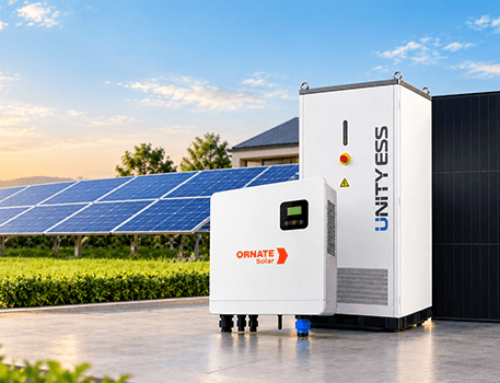
Ornate Solar is also a trusted BESS manufacturer in India. We have developed UnityESS, an advanced energy storage solution to provide reliable power and energy independence.
If you are looking for high-quality solar solutions, call us at 1800 2026 252 to discuss your options.











Leave A Comment